Discover the natural values of the Serra da Estrela
www.geoparkestrela.pt Visit the Geopark Estrela websiteA mosaic of unique habitats.
Classification
The Estrela massif was classified as a Natural Park by Decree-Law no. 557/76 of 16 July, later replaced by Regulatory Decree no. 50/97 of 20 November. It recognised a mountain region with refuges for wildlife and endemic plant communities of national importance, for its landscape value and in the face of pressure on the land.
Overview
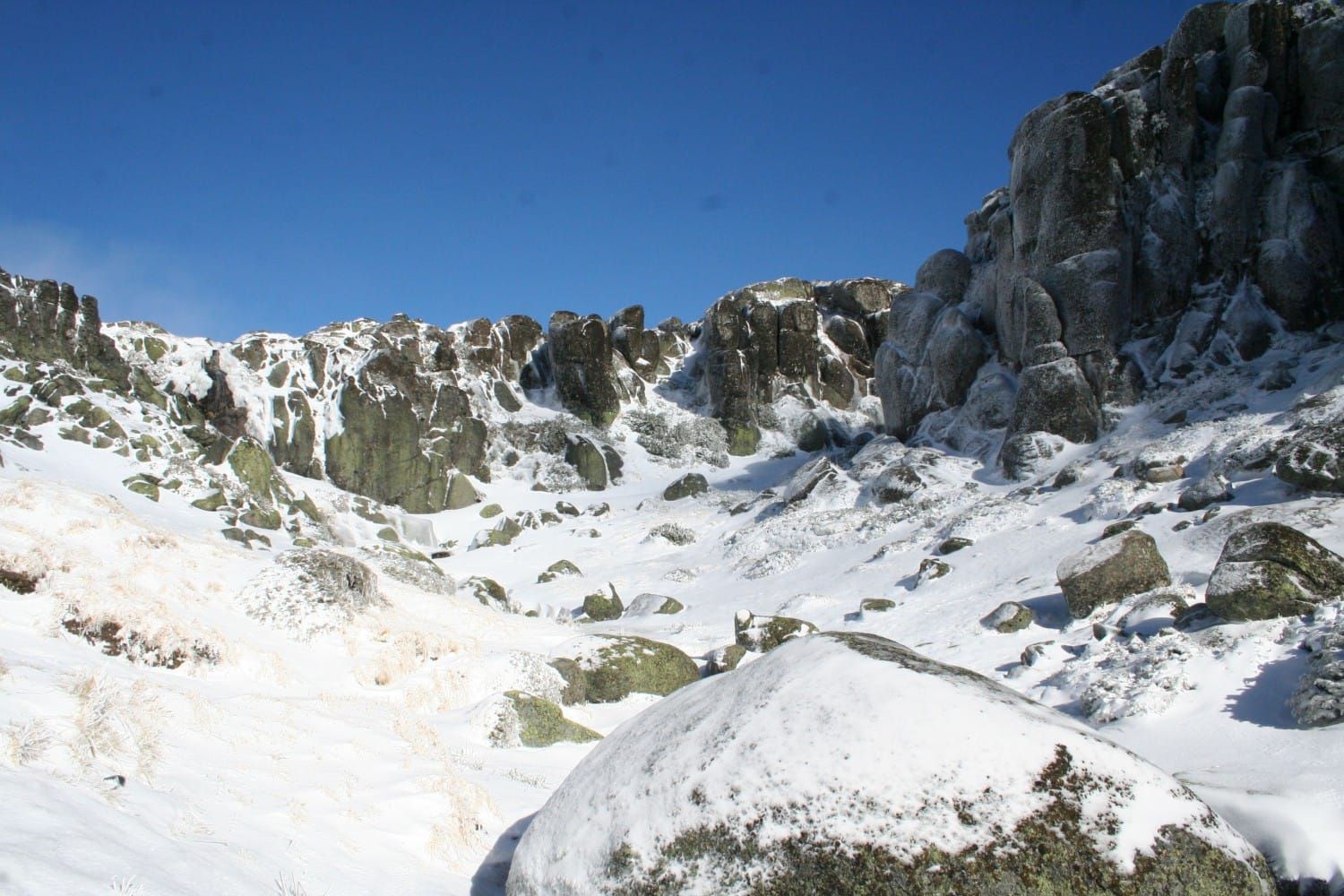
Together with the Açor and Lousã ranges, the Serra da Estrela forms the western end of the Central Cordillera and holds the highest point of mainland Portugal. It drains into the Douro, Tagus and Mondego basins, and its upper part was shaped by Quaternary glaciation.
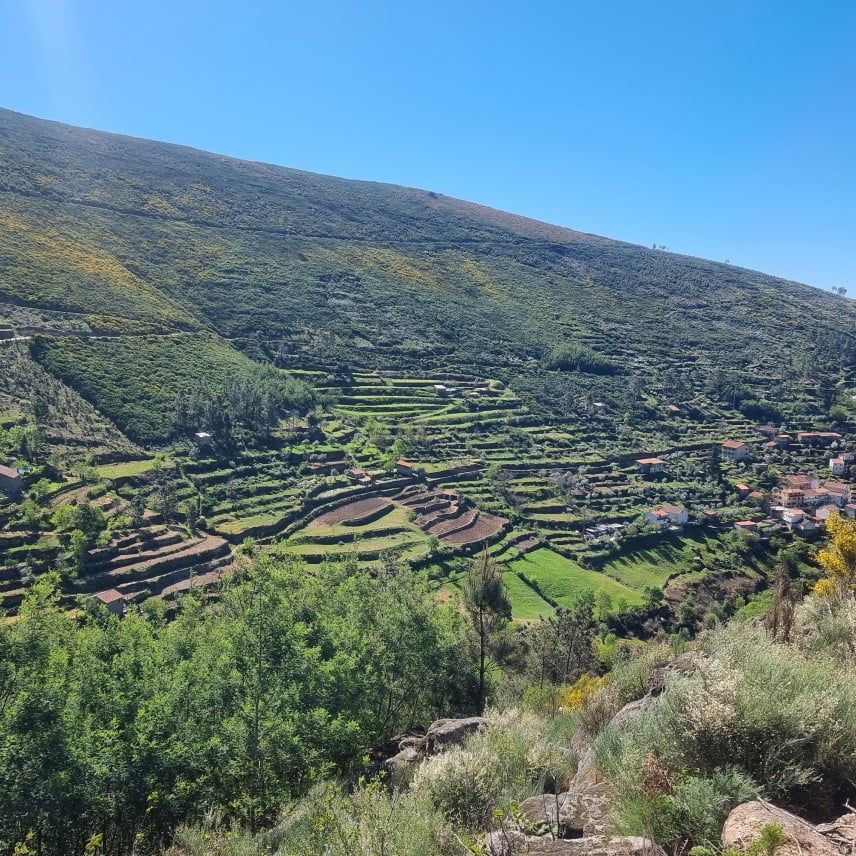
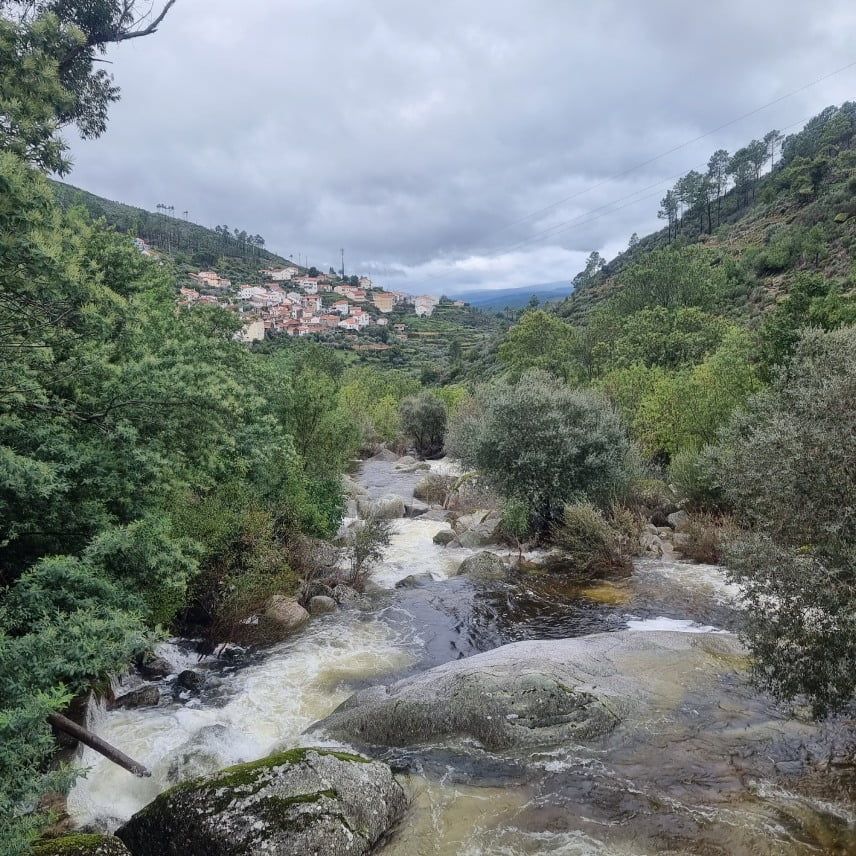
There are five landscape units: the central plateau, peaks and ridges, lower plateaus, slopes, and valleys with streams. The Park brings together habitats from several biogeographical regions and is Portugal’s most emblematic area for high-altitude natural values.
Habitats and species
- Mat-grass swards (priority habitat 6230): grasslands of mat-grass (Nardus stricta), with endemic plants such as Festuca henriquesii, Leontodon pyrenaicus subsp. herminicus and Ranunculus abnormis, and rare species such as Alchemilla transiens and Gentiana lutea.
- Dwarf juniper scrub (habitat 4060): dwarf juniper (Juniperus communis) forms a shrub community found only in the Serra da Estrela, in a small area above 1,700 m.
- Permanent high-altitude ponds and lakes (habitat 3130): a unique habitat with rare plants such as the narrow-leaved bur-reed (Sparganium angustifolium), a glacial relic.
Sources: Decree-Law no. 557/76; Regulatory Decree no. 50/97; ICNF habitat sheets 6230, 4060 and 3130.
Photos